Field Fury Fighters: India's Rural-Themed Action Multiplayer Sensation
Field Fury Fighters has emerged as one of India's most innovative and culturally resonant gaming experiences, bringing the vibrancy, chaos, and spirit of rural India to the world of multiplayer action games. Developed by Daman Games, a pioneer in creating regionally authentic gaming content, this title has redefined what it means to blend cultural heritage with cutting-edge gameplay mechanics, resulting in a product that resonates deeply with Indian gamers while attracting international attention.
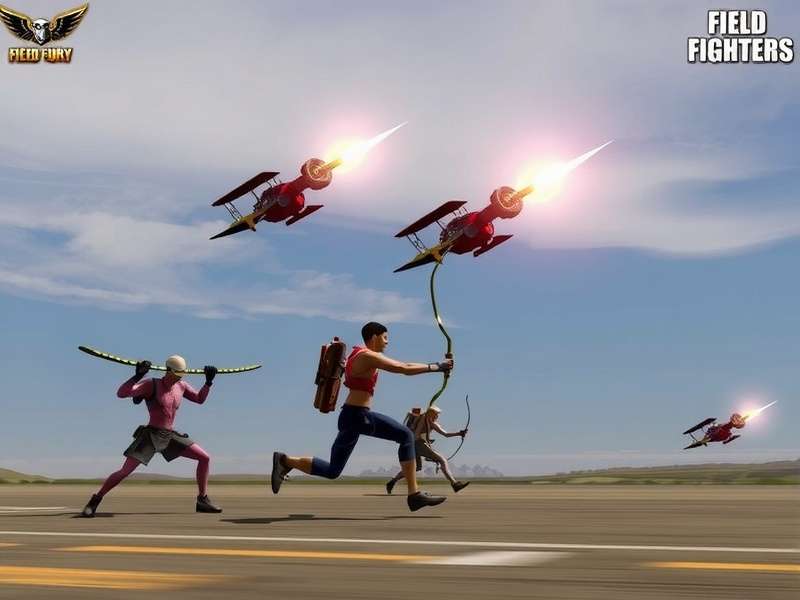
Intense multiplayer battle in Field Fury Fighters set against the backdrop of a traditional Indian village during harvest season.
Launched on March 15, 2024, Field Fury Fighters made an immediate impact on the Indian gaming market, amassing over 8 million downloads within its first two months of release and securing a spot among the top 5 most downloaded action games on both Android and iOS platforms in India. What sets this game apart from other multiplayer combat titles is its unwavering commitment to authenticity – every aspect of the game, from character designs and weaponry to battlefields and soundscapes, draws inspiration from the diverse rural landscapes and cultural traditions of India.
🌟 Key Milestone: Field Fury Fighters became the first Indian game to feature fully localized content in 12 regional languages, including Hindi, Tamil, Telugu, Bengali, Kannada, Malayalam, Gujarati, Marathi, Punjabi, Urdu, Oriya, and English, making it accessible to gamers across the length and breadth of the country.
The core concept of Field Fury Fighters revolves around competitive multiplayer battles set in rural environments, where players take on the roles of villagers, farmers, and rural warriors equipped with traditional weapons and modern adaptations of rural tools. Unlike many international games that impose foreign settings and characters on Indian players, Field Fury Fighters celebrates the uniqueness of rural India, turning everyday rural elements into exciting gameplay features – from using slingshots and lathis (traditional sticks) as weapons to navigating through paddy fields and village squares as battle arenas.
What truly distinguishes Field Fury Fighters is its ability to balance cultural authenticity with engaging gameplay. The development team at Daman Games spent over two years researching rural communities across India, visiting villages in Uttar Pradesh, Tamil Nadu, Punjab, Gujarat, and West Bengal to study local traditions, festivals, and daily life. This extensive research is evident in every detail of the game – from the traditional attire of characters to the design of battlefields that reflect different geographical regions of India, from the lush green fields of Kerala to the arid landscapes of Rajasthan.
"Field Fury Fighters was born out of our desire to create a game that Indians can truly call their own. We wanted to move beyond the typical urban or foreign settings that dominate most games and showcase the beauty, diversity, and excitement of rural India. The response has been overwhelming – players are connecting with the game on a cultural level, which is something no amount of marketing can achieve."
— Ajay Mehta, Creative Director at Daman Games
Field Fury Fighters is available across multiple platforms, including mobile devices (Android and iOS), PC, and major gaming consoles (PlayStation and Xbox), ensuring that players can enjoy the game on their preferred device. The mobile version has been specifically optimized for low-end smartphones, recognizing the diverse range of devices used by Indian gamers, while the PC and console versions offer enhanced graphics and gameplay features for those with more powerful hardware.
The game's success can also be attributed to its inclusive approach, catering to both casual and hardcore gamers. Casual players can enjoy quick matches with simplified controls, while hardcore gamers can dive into competitive ranked modes, character customization, and strategic team-based battles. This versatility has helped Field Fury Fighters build a diverse player base, ranging from teenagers in urban cities to farmers in rural areas who see themselves reflected in the game's characters and settings.
Another key factor in the game's popularity is its commitment to regular updates and community engagement. The development team actively listens to player feedback, regularly releasing new content that reflects the desires of the Indian gaming community. From adding new regional characters based on player requests to introducing festival-themed events that coincide with major Indian festivals like Diwali, Holi, and Pongal, Field Fury Fighters has created a dynamic gaming experience that evolves with its players.
Gameplay Mechanics: Rural Combat Reimagined
At its core, Field Fury Fighters is a fast-paced multiplayer action game that combines elements of battle royale, team deathmatch, and objective-based gameplay, all set within the unique context of rural India. The game's mechanics are designed to be accessible to new players while offering enough depth and complexity to keep experienced gamers engaged, with a focus on strategic thinking, quick reflexes, and teamwork.

Players engaging in strategic combat using traditional weapons and environmental elements in Field Fury Fighters.
Core Combat System
The combat system in Field Fury Fighters is built around three key pillars: Traditional Weapons, Environmental Interaction, and Team Coordination. This unique combination creates a gameplay experience that feels fresh and distinct from other action games, while remaining intuitive enough for new players to pick up quickly.
Traditional Weapons: The game features an extensive arsenal of weapons inspired by rural Indian life, ranging from traditional weapons like lathis (wooden sticks), slingshots, and talwars (swords) to innovative adaptations of everyday rural tools like sickles, plows, and even charkhas (spinning wheels). Each weapon has its own unique characteristics, strengths, and weaknesses, allowing players to develop different playstyles – from the fast and agile slingshot user to the powerful but slow-moving plow wielder.
Weapons are categorized into five types, each serving a specific purpose in combat:
- Melee Weapons: Includes lathis, talwars, sickles, and axes. These weapons offer high damage at close range but require players to get up close to opponents. The lathi, for example, is a versatile weapon with fast attack speed but moderate damage, while the talwar delivers higher damage but has a slower attack rate.
- Ranged Weapons: Features slingshots, bow and arrows, and modified hunting rifles. These weapons allow players to attack from a distance, with varying degrees of accuracy and damage. The slingshot, a starting weapon for all players, has unlimited ammunition but lower damage, while the bow and arrow offers higher damage but requires precise aiming.
- Throwable Weapons: Consists of stones, clay pots, and firecrackers. These weapons can be thrown at opponents to deal damage or create distractions. Firecrackers, in particular, are a unique weapon inspired by Indian festivals, creating a bright explosion that temporarily blinds opponents.
- Special Weapons: Powerful weapons with limited ammunition, such as the charkha bomb (a spinning wheel that explodes on impact) and the plow launcher (a modified plow that can be fired at opponents). These weapons are found in special crates scattered across battlefields and can turn the tide of a battle.
- Tools: Non-combat items that provide tactical advantages, such as the rope (for climbing walls and navigating difficult terrain) and the farming hoe (for digging trenches and creating cover).
Environmental Interaction: One of the most innovative aspects of Field Fury Fighters is its emphasis on environmental interaction. Battlefields are not just static backdrops but dynamic elements that players can use to their advantage. Paddy fields can be waded through to hide from opponents, haystacks can be used for cover, and village huts can be entered and navigated to outflank enemies.
Players can also interact with various rural objects to gain advantages or create obstacles for opponents. For example, players can tip over water pots to create slippery surfaces that slow down enemies, set fire to haystacks to create areas of damage, and even use bullock carts as mobile cover. This level of environmental interaction adds a strategic layer to the gameplay, encouraging players to think creatively and adapt to their surroundings.
Team Coordination: While Field Fury Fighters can be played solo, the game truly shines in team-based modes where coordination and communication are key to victory. Players can form teams of 2-4 players, each with different roles (attacker, defender, support, scout) based on their chosen character and weapon loadout. The game includes a built-in voice chat system with regional language support, allowing players to communicate effectively with teammates regardless of their linguistic background.
🎯 Gameplay Innovation: Field Fury Fighters introduces the unique "Rural Tactics" system, where players can use traditional rural knowledge to gain advantages in battle. For example, knowing that certain crops grow taller in specific seasons allows players to use them for cover, while understanding the movement patterns of village animals can help players track opponents.
Character Customization
Field Fury Fighters offers an extensive character customization system that allows players to create unique rural warriors reflecting India's diverse cultural heritage. The game features over 30 base characters, each representing different regions, professions, and cultural backgrounds from across India, from the Punjabi farmer to the Tamil village warrior and the Gujarati craftsman.
Customization options include:
- Attire: Traditional clothing from different regions of India, including kurta-pajamas, dhotis, lungis, sarees (for female characters), and regional costumes like the Punjabi phulkari, Tamil pavadai, and Rajasthani angarkha. Each outfit is meticulously designed to reflect authentic rural fashion, with attention to details like fabric patterns and color schemes.
- Accessories: Rural accessories such as turbans, headscarves, bangles, necklaces, and footwear like juttis and sandals. These accessories not only enhance the visual appearance of characters but also provide minor stat bonuses, such as increased movement speed or improved weapon accuracy.
- Weapon Skins: Custom skins for weapons that reflect regional traditions and festivals. For example, a slingshot might be decorated with rangoli patterns for Diwali or colored powder for Holi.
- Emotes and Celebrations: Traditional dance moves, gestures, and celebration animations inspired by rural festivals and customs. Players can perform these emotes after defeating opponents or winning matches, adding a fun and cultural element to the gameplay.
- Skills and Abilities: Each character has unique skills based on their regional background and profession. For example, the Punjabi farmer character has a "Harvest Boost" ability that temporarily increases movement speed and health regeneration when in paddy fields, while the Tamil warrior has a "Silambam Strike" ability that delivers a powerful melee attack inspired by the traditional Silambam martial art.
The customization system is deeply integrated with the game's lore and cultural themes, with many items unlocked through gameplay achievements or festival events. For example, players can unlock special Diwali-themed outfits by participating in the game's Diwali event, or earn regional costumes by completing challenges related to that region's culture and traditions.
| Customization Category | Available Options | Gameplay Benefits |
|---|---|---|
| Attire | Regional costumes, festival outfits,职业-specific clothing | Minor stat bonuses, cultural representation |
| Accessories | Turbans, bangles, necklaces, footwear | Improved weapon handling, movement speed |
| Weapon Skins | Regional designs, festival themes, rare variants | Visual distinction, no gameplay advantages |
| Emotes | Traditional dances, gestures, celebrations | Social interaction, post-victory celebrations |
| Skills | Regional abilities,职业-specific powers | Significant gameplay advantages, strategic depth |
Progression System
Field Fury Fighters features a comprehensive progression system that rewards players for their skill and dedication, while remaining accessible to casual players. The system is designed to encourage players to explore different characters, weapons, and game modes, rather than focusing on a single playstyle.
Key elements of the progression system include:
- Player Levels: Players earn experience points (XP) by participating in matches, winning battles, completing challenges, and achieving in-game milestones. As players level up, they unlock new characters, weapons, and customization items. The maximum player level is 100, with special rewards for reaching milestone levels (25, 50, 75, 100).
- Character Mastery: Each character has its own mastery level, which increases as players use that character in matches. Higher mastery levels unlock character-specific abilities, skins, and emotes. Mastery levels range from 1 to 20, with the highest level (20) unlocking a unique "Legendary" skin for the character.
- Weapon Proficiency: Weapons also have proficiency levels that increase with use. Higher proficiency levels improve weapon performance, such as increased damage, faster reload speed, or improved accuracy. Players can track their proficiency for each weapon in the game's inventory menu.
- Battle Pass: The game features a seasonal Battle Pass with free and premium tiers. The free tier offers basic rewards like customization items and in-game currency, while the premium tier (available for purchase) provides exclusive characters, rare skins, and powerful in-game items. Battle Pass seasons last for 90 days and are themed around Indian festivals or regional cultures.
- Challenges and Missions: Daily, weekly, and monthly challenges that task players with specific objectives, such as winning a certain number of matches, defeating opponents with a particular weapon, or completing matches in a specific battlefield. Completing challenges rewards players with XP, in-game currency, and exclusive items.
The progression system is designed to be fair and balanced, with no pay-to-win elements. While players can purchase in-game currency to unlock certain items, all gameplay-affecting content can be earned through regular play. This approach has been widely praised by the Indian gaming community, which has historically been critical of pay-to-win mechanics in mobile games.
💰 Monetization Model: Field Fury Fighters uses a fair monetization model focused on cosmetic items and convenience features. The game is free-to-play, with optional in-app purchases for cosmetic skins, accessories, and the premium Battle Pass. All weapons and gameplay-affecting items can be unlocked through regular play, ensuring that players who don't spend money can still compete on an equal footing with paying players.
Controls and Accessibility
Field Fury Fighters features a user-friendly control system that has been optimized for each platform, with a particular focus on mobile devices, which are the primary gaming platform for most Indian players.
Mobile Controls: The mobile version uses a virtual joystick on the left side of the screen for movement and action buttons on the right for attacking, jumping, and using abilities. The controls are fully customizable, allowing players to adjust the size, position, and transparency of buttons to suit their preferences. The game also includes a "Simplified Controls" option for new players, which reduces the number of buttons and automates certain actions like aiming.
PC and Console Controls: The PC version supports both keyboard and mouse controls and gamepad controllers, with customizable keybindings. Console versions use the standard controller layout for action games, with intuitive mappings for movement, combat, and abilities.
Accessibility is a key focus of Field Fury Fighters, with several features designed to make the game accessible to players of all abilities:
- Visual Accessibility: Adjustable brightness and contrast settings, colorblind mode with multiple color filters, and customizable UI scaling for players with visual impairments.
- Audio Accessibility: Subtitles for all in-game dialogue and sound effects, adjustable audio levels for different sound categories (music, effects, voice chat), and visual cues for important audio events (like approaching enemies).
- Motor Accessibility: Adjustable control sensitivity, auto-run option, and simplified control schemes for players with motor disabilities. The game also supports external controllers and adaptive input devices.
- Cognitive Accessibility: Clear, simple UI design with minimal clutter, tutorial videos that can be replayed, and optional hints and tips during gameplay. The game also includes a "Casual Mode" with reduced difficulty and longer respawn times for new or less experienced players.
The development team has worked closely with accessibility organizations in India, including the National Association for the Blind and the Indian Spinal Injuries Centre, to ensure that the game is accessible to players with disabilities. This commitment to accessibility has helped Field Fury Fighters reach a wider audience and has been recognized with several accessibility awards in the Indian gaming industry.
Characters: Rural Warriors of India
One of the most beloved aspects of Field Fury Fighters is its diverse and authentic roster of characters, each representing a different region, profession, and cultural background from across India. The game currently features 32 playable characters, with new characters added regularly through updates and seasonal events. Each character is carefully designed to reflect the unique cultural heritage of their region, with authentic attire, mannerisms, and abilities inspired by local traditions and lifestyles.
The diverse roster of playable characters in Field Fury Fighters, representing different regions and professions from across India.
Character Classes
Characters in Field Fury Fighters are divided into five distinct classes, each with unique playstyles and abilities that cater to different gaming preferences. This class system allows players to choose characters that match their preferred gameplay style, while also encouraging team diversity and strategic thinking in multiplayer modes.
Warriors
Close-range combat specialists with high health and damage output. Warriors excel at frontline combat and are ideal for players who prefer to engage opponents directly. They use traditional weapons like lathis, talwars, and axes, and have abilities that enhance their strength and durability.
Rangers
Long-range attackers who use ranged weapons like slingshots, bows, and hunting rifles. Rangers are ideal for players who prefer to attack from a distance and provide support to their team. They have abilities that improve their accuracy, stealth, and mobility.
Supporters
Support characters who provide healing, buffs, and utility to their team. Supporters are essential for team-based modes, as they can turn the tide of battle by keeping their teammates alive and enhancing their performance. They use tools like medicinal herbs and traditional healing techniques.
Scouts
Agile characters with high movement speed and stealth abilities. Scouts are ideal for players who prefer hit-and-run tactics and gathering intelligence on enemy positions. They use lightweight weapons and have abilities that allow them to move quickly and remain undetected.
Strategists
Tactical characters who specialize in traps, distractions, and area control. Strategists are ideal for players who prefer a more methodical playstyle, using their abilities to control the battlefield and outsmart opponents. They use tools like firecrackers, traps, and environmental hazards.
Featured Characters
Ram - The Punjabi Farmer (Warrior Class)
Hailing from a small village in Punjab, Ram is a hardworking farmer who has turned his agricultural tools into weapons to defend his land. With his imposing physique and friendly demeanor, Ram is a fan favorite among players who prefer a balanced playstyle with high health and moderate speed.
Ram's appearance reflects traditional Punjabi rural fashion, with a bright red turban, blue kurta-pajama, and leather juttis. He has a thick beard and muscular build, reflecting the physical demands of farming life. His weapon of choice is a modified farming plow that doubles as a powerful melee weapon, capable of delivering devastating blows to opponents.
His special abilities include:
- Harvest Strike: Ram swings his plow with great force, dealing heavy damage to all enemies in front of him and knocking them back. This ability is particularly effective for clearing groups of opponents or breaking through enemy defenses.
- Crop Shield: Ram creates a temporary shield made of stacked hay bales that absorbs damage and blocks enemy attacks. The shield can be destroyed by opponents but provides valuable cover for Ram and his teammates.
- Farmers' Strength: Ram taps into his years of physical labor, temporarily increasing his damage output and resistance to stun effects. This ability makes Ram even more formidable in close combat, allowing him to take on multiple opponents at once.
- Punjab Pride (Ultimate Ability): Ram channels the spirit of Punjabi valor, significantly increasing his health, damage, and movement speed for a short period. During this time, Ram's attacks have a chance to knock opponents down, making him nearly unstoppable in close combat.
Ram's backstory revolves around his struggle to protect his village from a group of bandits who want to take over the fertile farmland. His journey in the game's lore takes him across India, where he teams up with other rural warriors to defend their communities and preserve their way of life. Ram's character resonates with many Indian players, who see reflections of their own fathers, uncles, and grandfathers in his hardworking and protective nature.
Meera - The Tamil Weaver (Supporter Class)
Meera is a skilled weaver from a small village in Tamil Nadu, known for her healing abilities and compassionate nature. As a Supporter-class character, Meera specializes in healing her teammates and providing buffs that enhance their performance in battle. Her playstyle is ideal for players who prefer a supportive role and enjoy helping their team achieve victory through strategy and teamwork.
Meera's appearance reflects traditional Tamil rural fashion, with a colorful pavadai sattai (traditional Tamil dress for women), flower garlands in her hair, and bangles on her wrists. She carries a small basket filled with medicinal herbs and weaving tools, which she uses both for healing and combat. Her weapon of choice is a modified weaving shuttle that can be used to deliver quick, low-damage attacks or fire healing projectiles at teammates.
Her special abilities include:
- Herbal Healing: Meera throws a pouch of medicinal herbs that heals herself and nearby teammates over time. The herbs also provide a temporary boost to health regeneration, helping teammates recover from damage more quickly.
- Weaver's Blessing: Meera creates a protective aura around herself and nearby teammates that increases their resistance to damage and status effects. The aura lasts for a short period and can be renewed by using the ability again.
- Thread Bind: Meera uses her weaving thread to temporarily bind an enemy, slowing their movement and preventing them from using abilities. This ability is useful for disabling key opponents or escaping from dangerous situations.
- Tamil Nadu Tonic (Ultimate Ability): Meera prepares a powerful tonic using rare herbs, which she can either use on herself or share with a teammate. The tonic fully heals the target, removes all status effects, and provides a significant boost to all stats for a short period. This ability can turn the tide of a battle by reviving a weakened teammate or making a key player nearly invincible.
Meera's backstory centers around her training as a traditional healer under her grandmother, who taught her the secrets of herbal medicine and weaving. When her village was struck by a mysterious illness, Meera used her skills to heal the villagers and discover the source of the disease. Her journey in the game's lore sees her traveling across India, sharing her healing knowledge with other rural communities and joining forces with other warriors to protect the innocent.
Raju - The Rajasthani Shepherd (Scout Class)
Raju is a quick-witted shepherd from the arid regions of Rajasthan, known for his speed, agility, and ability to navigate difficult terrain. As a Scout-class character, Raju specializes in hit-and-run tactics, gathering intelligence, and outmaneuvering opponents. His playstyle is ideal for players who prefer a fast-paced, stealthy approach to combat.
Raju's appearance reflects traditional Rajasthani rural fashion, with a colorful turban, white kurta-pajama, and a leather waistcoat. He carries a shepherd's staff and a slingshot, which he uses for both combat and herding animals. His lean, agile build allows him to move quickly across all types of terrain, from sand dunes to rocky hills.
His special abilities include:
- Desert Dash: Raju dashes forward at high speed, leaving a trail of sand that slows down pursuing enemies. This ability allows Raju to quickly escape from dangerous situations or close the distance to opponents for a surprise attack.
- Shepherd's Sight: Raju climbs onto a nearby rock or elevated surface, gaining increased vision range and the ability to see through obstacles for a short period. This ability is perfect for scouting enemy positions and planning attacks.
- Sling Shot: Raju fires a powerful shot from his slingshot that deals damage and temporarily blinds opponents. The shot can be charged for increased damage and range, making it effective for both long-range harassment and close-quarters combat.
- Rajasthani Raid (Ultimate Ability): Raju summons a group of trained sheep that charge forward, knocking down enemies and creating a path for Raju and his teammates. The sheep also distract opponents, allowing Raju to escape or launch a surprise attack. This ability is particularly effective in team-based modes, where it can disrupt enemy formations and create opportunities for victory.
Raju's backstory revolves around his life as a shepherd in the Rajasthan desert, where he developed his speed and agility while chasing stray sheep and avoiding dangerous animals. When a group of bandits began stealing livestock from his village, Raju used his skills to track them down and recover the stolen animals. His journey in the game's lore sees him using his scouting abilities to help other rural communities defend themselves against threats, while also exploring the diverse landscapes of India.
Amit - The Bengali Fisherman (Ranger Class)
Amit is a skilled fisherman from a village in West Bengal, known for his precision and patience. As a Ranger-class character, Amit specializes in long-range combat, using his fishing skills to deliver accurate attacks from a distance. His playstyle is ideal for players who prefer a strategic, methodical approach to combat.
Amit's appearance reflects traditional Bengali rural fashion, with a white dhoti, blue shirt, and a straw hat. He carries a fishing rod modified for combat, which can fire sharpened fish hooks or nets at opponents. He also has a small boat that he can use to navigate water-based battlefields quickly.
His special abilities include:
- Fishing Hook: Amit fires a sharpened fishing hook that attaches to opponents, dealing damage over time and slowing their movement. The hook can also be used to pull opponents closer or drag them into water or other hazardous areas.
- Net Trap: Amit throws a fishing net that traps opponents in a small area for a short period. The net prevents opponents from moving or using abilities, making them easy targets for Amit and his teammates.
- Water Veil: Amit creates a cloud of water mist that obscures vision and slows down opponents who enter it. The mist also provides cover for Amit, allowing him to reposition or escape from dangerous situations.
- Bengali Blast (Ultimate Ability): Amit summons a school of aggressive fish that attack all enemies in a large area, dealing damage and knocking them back. The fish also create splashes of water that temporarily blind opponents, making it easy for Amit and his teammates to follow up with attacks. This ability is particularly effective in water-based battlefields or against large groups of opponents.
Amit's backstory centers around his life as a fisherman on the Ganges River, where he learned to be patient, precise, and adaptable. When a factory upstream began polluting the river, threatening his village's livelihood, Amit used his skills to track down the source of the pollution and force the factory to clean up its act. His journey in the game's lore sees him using his ranged combat skills to defend rural communities from environmental threats and other dangers, while also exploring the diverse waterways of India.
Priya - The Gujarati Potter (Strategist Class)
Priya is a clever potter from a village in Gujarat, known for her creativity and strategic thinking. As a Strategist-class character, Priya specializes in traps, distractions, and area control, using her pottery skills to create unique weapons and tools. Her playstyle is ideal for players who prefer a tactical approach to combat, using their wits to outsmart opponents.
Priya's appearance reflects traditional Gujarati rural fashion, with a colorful saree, embroidered blouse, and a bindi on her forehead. She carries a set of pottery tools and a basket of clay pots, which she uses for both combat and crafting traps. Her nimble fingers and creative mind allow her to quickly craft new tools and weapons during battle.
Her special abilities include:
- Clay Bomb: Priya throws a clay pot filled with explosive material that detonates after a short delay, dealing damage to all enemies in the area. The bomb can also be triggered manually, allowing Priya to time the explosion for maximum effect.
- Pottery Trap: Priya places a hidden clay pot trap on the ground that activates when an enemy steps on it. The trap explodes, dealing damage and slowing down nearby enemies. Priya can place multiple traps at once, creating dangerous areas that opponents must avoid.
- Smoke Pot: Priya throws a clay pot filled with smoke-producing herbs that creates a large cloud of smoke, obscuring vision and slowing down opponents. The smoke cloud is particularly effective for covering retreats or creating distractions during team attacks.
- Gujarati Garrison (Ultimate Ability): Priya quickly constructs a temporary fortification using clay pots and other materials, creating a defensive position for herself and her teammates. The fortification provides cover from enemy attacks and can be destroyed by opponents, but it gives Priya's team a significant tactical advantage during battles. The fortification also includes small holes that allow Priya and her teammates to attack opponents without exposing themselves.
Priya's backstory revolves around her life as a potter in a small Gujarati village, where she learned to be creative and resourceful. When her village was threatened by a group of raiders, Priya used her pottery skills to create traps and weapons that helped the villagers defend themselves. Her journey in the game's lore sees her traveling across India, sharing her crafting skills with other rural communities and using her strategic mind to help warriors overcome seemingly impossible challenges.
Character Diversity and Representation
One of the most praised aspects of Field Fury Fighters is its commitment to diversity and representation, with characters from all major regions, religions, and cultural backgrounds of India. The development team has worked hard to ensure that each character is portrayed respectfully and authentically, avoiding stereotypes and celebrating the unique traditions of each region.
The game features characters from:
- Northern India: Punjab, Haryana, Uttar Pradesh, Uttarakhand, Himachal Pradesh, Jammu and Kashmir
- Southern India: Tamil Nadu, Kerala, Karnataka, Andhra Pradesh, Telangana
- Eastern India: West Bengal, Odisha, Bihar, Jharkhand, Assam
- Western India: Gujarat, Maharashtra, Rajasthan, Goa
- Central India: Madhya Pradesh, Chhattisgarh
- Northeastern India: Manipur, Meghalaya, Nagaland, Tripura
Each character's backstory, abilities, and appearance are carefully crafted to reflect the unique cultural heritage of their region. For example, characters from Punjab are portrayed as strong and hearty, with abilities inspired by Punjabi martial arts like Gatka, while characters from Kerala are depicted as agile and skilled in traditional healing practices.
The game also features a balanced gender representation, with 16 male and 16 female playable characters, each with their own unique personalities and backstories. Female characters are portrayed as strong, capable warriors, breaking away from the traditional damsel-in-distress trope commonly found in games. Many female characters are based on real-life rural women who have made significant contributions to their communities, such as environmental activists, healers, and community leaders.
🌍 Cultural Authenticity: The development team at Daman Games consulted with cultural experts, historians, and rural community leaders from each region represented in the game to ensure that characters are portrayed authentically. This attention to detail has been widely praised by players, who appreciate seeing their own cultures and traditions represented respectfully in a major game.
Battlefields: Rural Landscapes of India
Field Fury Fighters features a diverse range of battlefields inspired by the rural landscapes of India, each offering unique terrain, environmental hazards,